
Beyond passenger growth: five signals we took from World Aviation Festival 2026
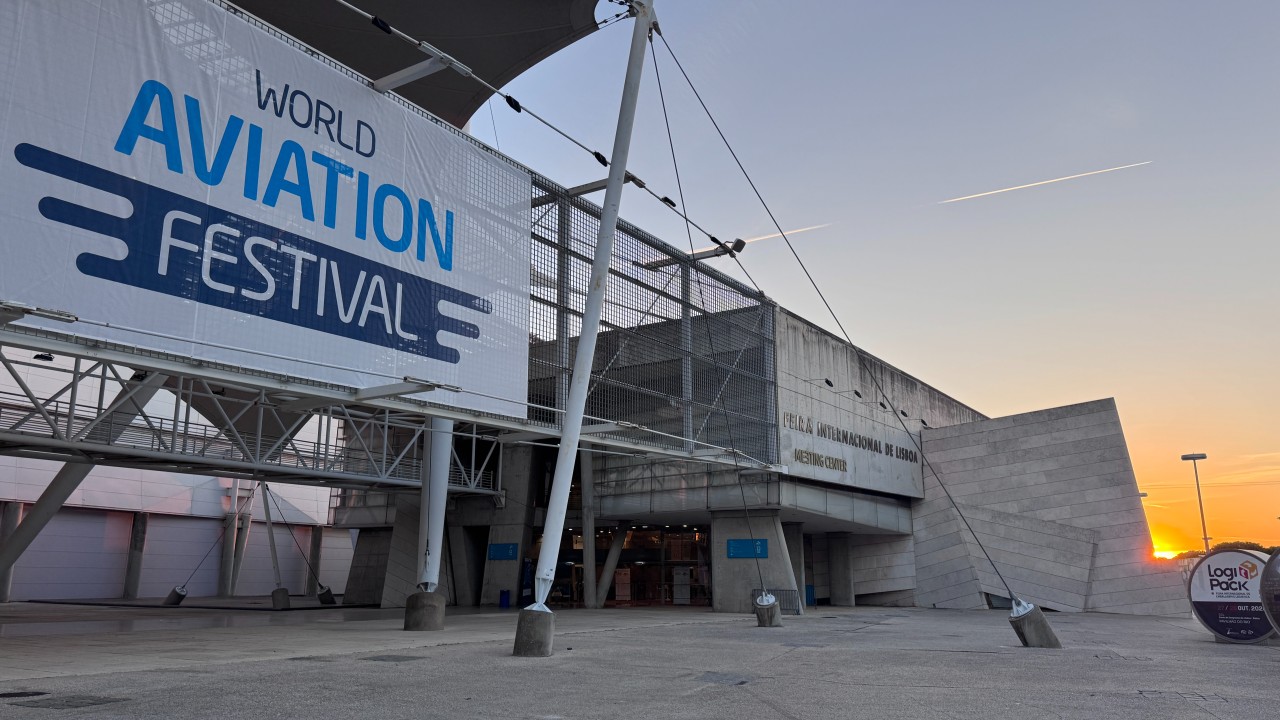
Passenger growth remains fundamental to aviation. But across our conversations at World Aviation Festival 2026, another question kept coming up: how can airports, airlines and travel businesses create more value from every passenger journey?
World Aviation Festival provides the opportunity to take the temperature of the industry. Across our conversations with customers, partners and industry leaders this year, five themes stood out.
Together, they point to an industry increasingly focused not just on growth, but on creating better experiences and greater value from the passengers already travelling.
1. AI is moving from conversation to application
AI was everywhere at WAF, but the conversation felt increasingly practical.
We heard about applications ranging from customer service and booking management to dynamic pricing, marketing automation, data analysis and product recommendations. That reflects a broader industry shift, with airlines already applying AI across areas including revenue maximisation, forecasting and customer service.
The more interesting question is therefore becoming less "How can we use AI?" and more "Where can AI create meaningful value for the passenger and the business?"
The winners won't necessarily be those that apply AI most widely, but those that apply it most usefully.
2. Passenger value is becoming a bigger part of the growth conversation
Revenue per passenger and ancillary growth came up repeatedly in our conversations. Yet there remains significant opportunity to make relevant airport products such as parking, Fast Track, lounges and Meet & Greet easier to discover and buy throughout the passenger journey.
Creating greater passenger value shouldn't simply mean selling more. The strongest propositions create value on both sides.
A relevant lounge offer can make a journey more comfortable. Pre-booked parking removes uncertainty. Fast Track can make the airport experience easier.
The passenger gets something useful, while the airport, airline or travel business creates incremental commercial value.
Better passenger experiences and stronger commercial outcomes don't need to be competing priorities.
3. The passenger sees one journey, but the industry still sees many
The ambition for a more connected passenger journey was another recurring theme.
To a traveller, booking a flight, travelling to the airport, parking, passing through security, visiting a lounge and arranging onward transport should all feel like one journey. Behind the scenes, those experiences may involve numerous organisations and technology platforms.
That fragmentation creates complexity, but also opportunity.
The goal doesn't necessarily need to be one organisation owning the entire journey. It should be about making the boundaries between those organisations invisible to the passenger.
For airports, airlines and travel businesses, that puts greater emphasis on collaboration and the ability to connect products, partners and distribution.
4. Distribution is moving from access towards relevance
One of the clearest signals from our airline conversations was the continued move towards API-led distribution.
But the questions we heard went beyond simply accessing more inventory. Airlines were interested in how relevant products could be recommended to individual passengers and what role AI and data might play.
Giving every traveller access to more products doesn't necessarily create a better experience. The greater opportunity lies in understanding which product is relevant to which traveller, at which point in their journey.
The next evolution of ancillary distribution may therefore be less about more inventory and more about greater relevance.
5. Before we predict passengers, we need to understand them
There was significant discussion at WAF about using AI and data to anticipate passenger behaviour and predict what customers might want.
That's exciting, but it raises a more fundamental question: do we understand passengers deeply enough in the first place?
Technology can identify patterns, analyse behaviour and assess propensity. But that doesn't remove the need to understand the motivations, expectations and frustrations behind those behaviours. The real opportunity is to combine both.
We must strive to understand the passenger first, then use technology to make that understanding actionable at scale.
From passenger growth to passenger value
AI, distribution, connected journeys, personalisation and ancillary revenue can look like separate conversations. At WAF, they increasingly felt connected by one question: How can we create more value from every passenger journey?
That doesn't simply mean selling more. It means understanding travellers better, making relevant products and experiences easier to discover, removing friction and connecting parts of the journey that have traditionally operated separately.
Passenger growth will remain fundamental to aviation. But as the industry grows, there's an opportunity to ensure the value created for passengers, airports, airlines and travel businesses grows with it.
That's a conversation we're continuing at Cavu with partners across the travel ecosystem.
Ready to unlock more revenue?
Get in touch with our team to see how we can help your business.